Monday, March 11, 2013

State hedging of oil price risks

OK. So what it seems to come down to is this: the oil price cannot be predicted years in advance with absolute certainty. Let's agree that the price of oil varies from time to time. So what do you do? Do you give up any aspiration because uncertainty equals hopeless, unmanageable chaos? No. Lack of absolute certainty is nothing like the same as being powerless. That's the counsel of the coward. Most independent analyses of the world economy, and the oil industry's own spending, suggest the price is only going to go up. I remember a few years back someone (I think it might have been "Doctor" John Reid) wisely pointing out that the days of the giddy heights of $50 a barrel would never be seen again. It's now $91.40. That's in the midst of a world recession. As and when the economy recovers, demand for oil will grow. New discoveries, in the US and elsewhere, are expected to "keep a lid on the price" , as a welcome a counter-balance against a price explosion.

Still, you can't know for sure, I accept. So what does the sensible government do?

Simple. It hedges.

Sunday, March 10, 2013

Too rich, too small, too stupid

The Herald: "SCOTLAND'S payments to the European Union could rise from £124 million to £673m under independence, official figures suggest."

Me: Oh no! That's awful. Why?

The Herald: "An independent Scotland, with oil reserves, would become the third richest country in the EU in terms of GDP per head. "

[PAUSE]

Me: OK. I see. But...

The Herald: "It is feared this would push up payments."

Me: Yes I get that bit but isn't....

The Herald: "It is said payments would rise as an independent Scotland, with oil reserves, would be among the wealthiest EU countries in terms of GDP per head. Only the Netherlands and Luxembourg would be better off. "

Me: Yes, yes, ok. But isn't being wealthy good and paying more into the EU a sign of, and a result of, being wealthy? And a good and proper thing, too. What you're doing is like telling someone they'd be a fool to take a better job, with a massive pay rise, because they'd have more tax to pay. Are you not, for some reason I can't grasp, searching for a way to present what is essentially an argument for independence as an argument against it? Perhaps in the hope people won't read past your headline?

Friday, March 1, 2013

Separation anxiety

A 19.5% swing to UKIP at Eastleigh. In the words of Nick Robinson, they'd have won if they'd just thought it possible. By God, they'll think it possible now. Ladbrokes will this morning give you evens - evens! - on the Great British public voting for separation from the EU before 2018. If you're a betting person I'd grab those odds now.

Wednesday, February 27, 2013

The Danish comparison

Gordon Brewer and Newsnight Scotland picked up where Raymond Buchanan left off on Good Morning Scotland this morning. It's taken it upon itself to have a dig at the Yes campaign's comparisons with Denmark by pointing out that Danish taxes are high. So what? Danish taxes are high because that's what Danes vote to do with their national wealth. We could do the same or we could do something different. The point of the comparison is about their wealth, not how fairly they choose to share it out. They are comparable to us, in size and resources. They are a wealthy, successful country with, as it happens, some of the happiest citizens in the world.

Tuesday, February 26, 2013

Negativity

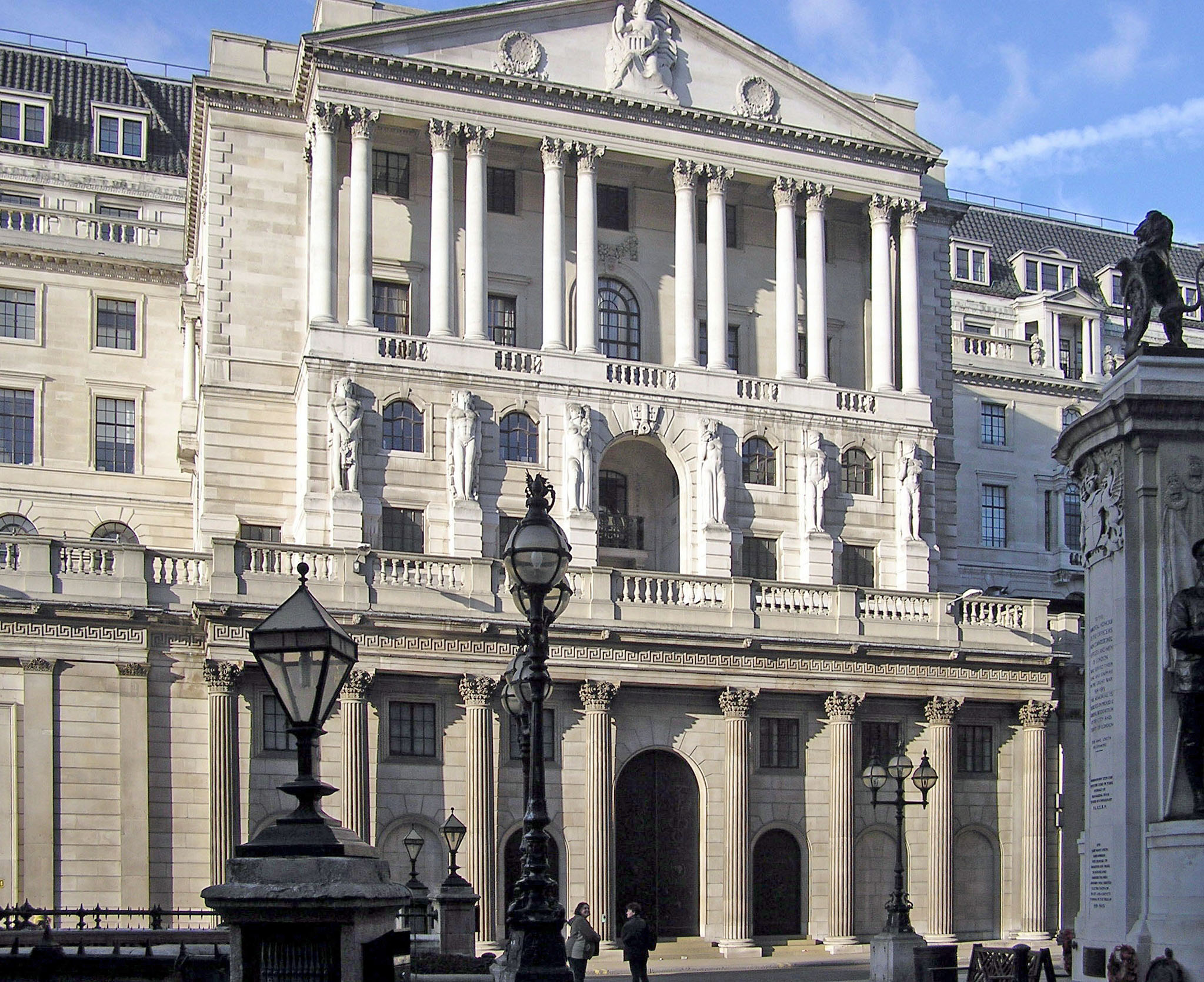
I'd seen it suggested, before the Bank of England floated the idea today, that setting negative interest rates would be a way to encourage lending and spending. Reading up this evening, I saw Denmark actually set a rate of -.2%, in July last year. Surprising, I thought. Denmark is a small, northern European country, with tremendous renewable energy reserves, a sensible defence force, decent social provision, an educated populace and so on - just like we would be. If its economy is a basket case like the UK's, I thought, then why hasn't Alistair Darling been bellowing about it before now? So I checked. The reason Denmark set negative interest rates is because its currency (yes - it doesn't use the Euro but pegs the Danish krone) is so strong, and so attractive to investors who are piling into it that its strength needs to be curbed. Precisely the situation the McCrone report, in the 1970s, would arise with a Scottish pound.

Another one bites the dust


Monday, February 25, 2013

It's oil ok

If I understood Alistair Darling on Good Morning Scotland this morning, he was telling a, to be fair, incredulous BBC reporter that having unimaginably vast oil wealth would be a problem for an independendent Scotland because the price goes up and down. In fact, the ratings agencies made it clear some time ago that the UK would have been downgraded long ago, due to its tanking economy and enormous debt, were it not for the fact that it had sufficient assets (that is, oil) to compensate.